Apartment Burst Pipe Repair
Multifamily Pipe Repair
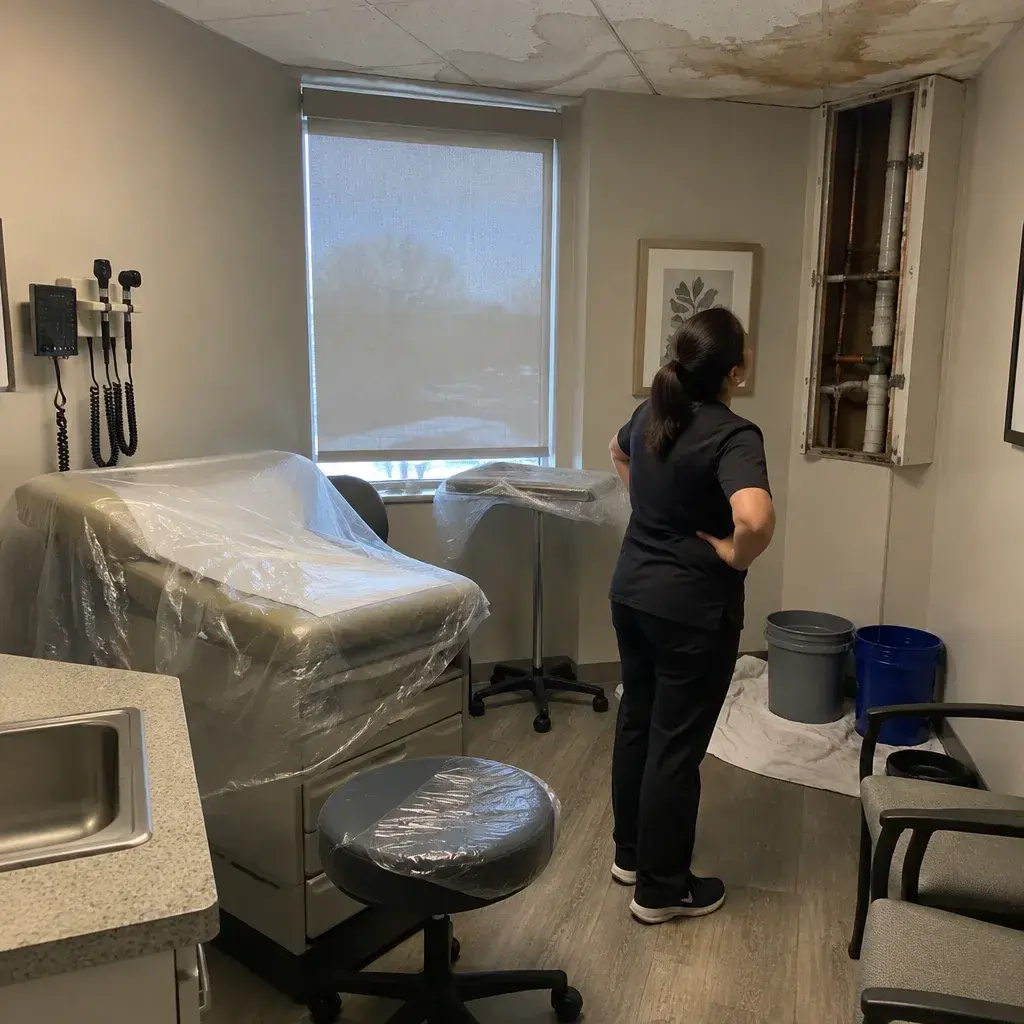
Plan access and water service around affected office areas, equipment, and daily operations.
A plumber locates the failed pipe, chooses a compatible repair for its material and condition, then checks the line for leaks and water flow. Facilities staff can coordinate entry, protect work areas, and isolate the affected zone when feasible, limiting disruption to other office operations.
Emergency burst pipe repair cost reflects the pipe material and fittings required, whether the affected plumbing zone can be isolated, and the access arrangements around staff and equipment. For office burst pipe repair, facilities staff can map which rooms share the affected supply and identify work areas that need protection. That gives the plumbing professional a clearer way to plan service restoration with less interruption. Commercial office plumbing often serves several functions, so agreeing on access with occupants can help keep unaffected work areas available while the damaged line is assessed.
A restroom fixture that loses flow or a breakroom tap that sputters can help facilities staff identify which plumbing zone may be affected. Check which nearby fixtures still work and note any areas occupants should avoid. A burst may involve a visible pipe or one concealed behind a wall, ceiling, or floor, so access needs can differ across offices. Keep equipment, paper records, and work surfaces clear of the affected area when safe to do so. Share those observations and access limits when arranging office burst pipe repair.
The disruption depends partly on how the building’s valves divide its plumbing. If facilities staff can identify a valve serving only the affected zone, the plumbing professional can assess whether that section can be isolated while other areas retain water. A shared line may affect more rooms, so confirm which restrooms, break areas, or workstations depend on it. Do not operate a valve if reaching it would mean entering a wet area with an electrical hazard.
Arrange entry through the person who controls the affected suite, ceiling space, or locked utility room. Let occupants know which route may be used and whether a meeting room or workstation needs to be cleared. In a multi-tenant office, facilities staff can coordinate with building management so the plumbing professional is not delayed at reception or left without access to the pipe. Clear communication helps keep unrelated teams working while attention stays on the rooms that need entry.
Before access begins, identify sensitive equipment and material near the work area, such as a server rack, paper files, or a shared printer. Facilities staff can point out approved relocation options and surfaces that should be kept clear. The plumber needs room to reach the line, while office staff need a clear boundary for equipment and records that should not be disturbed. If the area cannot be cleared safely, tell the professional so the access plan can account for it.
| Affected space | Entry plan | Service impact |
|---|---|---|
| Site contact | Escort name and entry procedure | Coordinate access before the plumber arrives |
| Valve map | Branches serving nearby suites | Mark the area that may be isolated |
| Occupancy window | Busy meetings or quiet work blocks | Choose a workable time with office teams |
| Water-dependent functions | Restrooms, kitchenettes, and cleaning sinks | Identify functions needing alternate arrangements |
| Protected contents | Network gear, paper files, desk equipment | Clear items or shield them before access |
| Restricted spaces | Locked risers or ceiling hatch protocols | Arrange approved keys and an escort |
| Work limits | Furniture, floor protection, and safe passage | Set boundaries around tools and opened surfaces |
| Service release | Shared suite beside reception and conference rooms | Arrange escorted entry outside client meeting blocks |
Water on a conference room ceiling does not establish that the pipe is directly above that room. It can move through a ceiling space before showing at a tile, wall, or light opening. Tell the plumbing professional where the first signs appeared and whether other rooms have damp surfaces or interrupted fixtures. Facilities staff can help identify the route and building areas above or beside the affected office, giving the professional useful context when locating a concealed break.
Once the damaged section is accessible, the repair method has to fit the installed line. Copper, PEX, CPVC, and other systems use different compatible fittings and connection methods; the pipe’s size, material, and condition guide the choice. A professional may replace a damaged portion or use another suitable repair, depending on what is found. Sharing any available information about the building’s plumbing system can help frame the assessment, but compatibility must be determined at the line itself.
A concealed break can require opening a ceiling, wall, or floor, which changes how much of the office is affected during access. Ask facilities staff to identify a practical work boundary, including nearby desks, meeting rooms, and occupied suites. The boundary should give the plumber room to reach the line and keep people clear of the work area. If an opening would affect a shared space, coordinate access with the people responsible for that space before the work is scheduled.
After the damaged line is repaired, the plumber checks the connection for leaks and confirms water moves through it. Facilities staff can identify which fixtures or zones should be checked before the area is treated as back in service. This matters in an office where a repaired branch may serve more than one room. A successful repair restores plumbing function; it does not by itself establish that every wet surface or affected finish is ready for normal use.
Plan how occupants will learn which rooms and fixtures are usable again. A short update from facilities staff can direct employees away from an area that remains restricted and toward available facilities elsewhere in the building. If service returns to some zones before others, describe that boundary clearly. This gives teams a practical basis for resuming work without assuming that the entire floor has the same status.
Pipe repair and recovery of water-damaged office space are separate parts of the response. The plumbing work addresses the failed supply line and checks its connection; removing water, drying materials, or rebuilding finishes may require another provider. Clarify which work belongs to the plumbing professional and which needs separate coordination. That distinction helps you plan access and occupancy around both activities without assuming that restoring water also makes every affected room ready for use.
The least disruptive timing depends on the office’s actual use and the repair access required. A break above a rarely used storage room presents different scheduling constraints from one beside a client meeting area or a busy break room. Tell the plumbing professional which functions must continue, which rooms can be cleared, and whether access needs to avoid a planned event. Those details can shape the work arrangement while leaving the repair method to the pipe’s condition and system.
Before contacting a plumbing professional, map the affected rooms and note visible water, fixtures that have lost service, and any known route to the pipe. Add entry instructions, a facilities contact, and constraints around occupied rooms, sensitive equipment, or records. This gives the pros we connect you with a clearer picture of the office conditions that may shape access and service planning. Keep people away from unsafe wet areas, especially where electrical equipment may be involved.
A sudden drop in water pressure can signal that a break is affecting a shared supply line. A ceiling leak above a conference room may require different opening and scheduling than a split line in an exposed service closet. In office burst pipe repair, facilities staff can help the pros we connect you with reach secured spaces, alert nearby teams, and identify equipment or records needing protection. If the affected branch can be isolated, other departments may keep water. Agree on a work window and service checks before reopening rooms.
Use a place page to find location-specific Burst Pipe Repair details; elsewhere, the shared referral offers a way to discuss your address with connected pros, includingEagle River AK, Anchorage AK and JBER AK. When comparing appointment options, check if the quoted visit fee includes the trip or if mileage is added afterward.
For an office building, the pros we connect you with generally price burst-pipe work by visit; $350–$1,300 offers a planning reference. A small branch line differs from a larger supply run, and repeat callouts, pipe material, access, and replacement needs shape the estimate.Commercial estimates can change when a larger supply line needs fittings suited to its system or when access affects the repair. When calling, share the pipe material, size, and connection type if known, where the line can be reached, and which area lost water. Ask whether locating the break is included.Use pricing guide to compare factors that shape a commercial repair estimate; commercial overview describes the assessment before work starts.
Multifamily Pipe Repair
Hotel Plumbing Coordination
Share the building address, the rooms where water appeared, and whether the leak seems active. Note any secured mechanical spaces, ceiling access rules, and who can escort a plumber. A floor plan or zone label can help connect visible signs to the building’s supply layout. Mention work areas that cannot be entered during business hours so access and repair planning can account for them.
A branch shutoff may keep water available in other parts of the office, if it controls the affected pipe and can be operated safely. The building’s valve map and plumbing layout help determine that. Avoid entering wet areas where electrical equipment may present a hazard. If the affected zone cannot be isolated, facilities staff can help plan around a wider service interruption.
Keep employees and visitors away from wet flooring and the repair work area. If there is a safe, dry route, move portable electronics, boxed files, and nearby supplies out of the work zone. Tell facilities staff about equipment that cannot be moved, such as network hardware or fixed office systems, so the plumber can plan access around it.
Before reopening affected rooms, have facilities staff confirm that water is available at the fixtures and work areas that depend on the repaired line. The plumber checks the repaired pipe for leaks and verifies flow. Then update occupants about which spaces and routes are usable. Wet carpet, furniture, or wall finishes may need attention from a separate restoration provider.
Share the affected departments, building entry rules, and operating limits with a plumbing professional to plan office burst pipe repair.
Call (800) 215-5682