Hotel Burst Pipe Repair
Hotel Plumbing Coordination
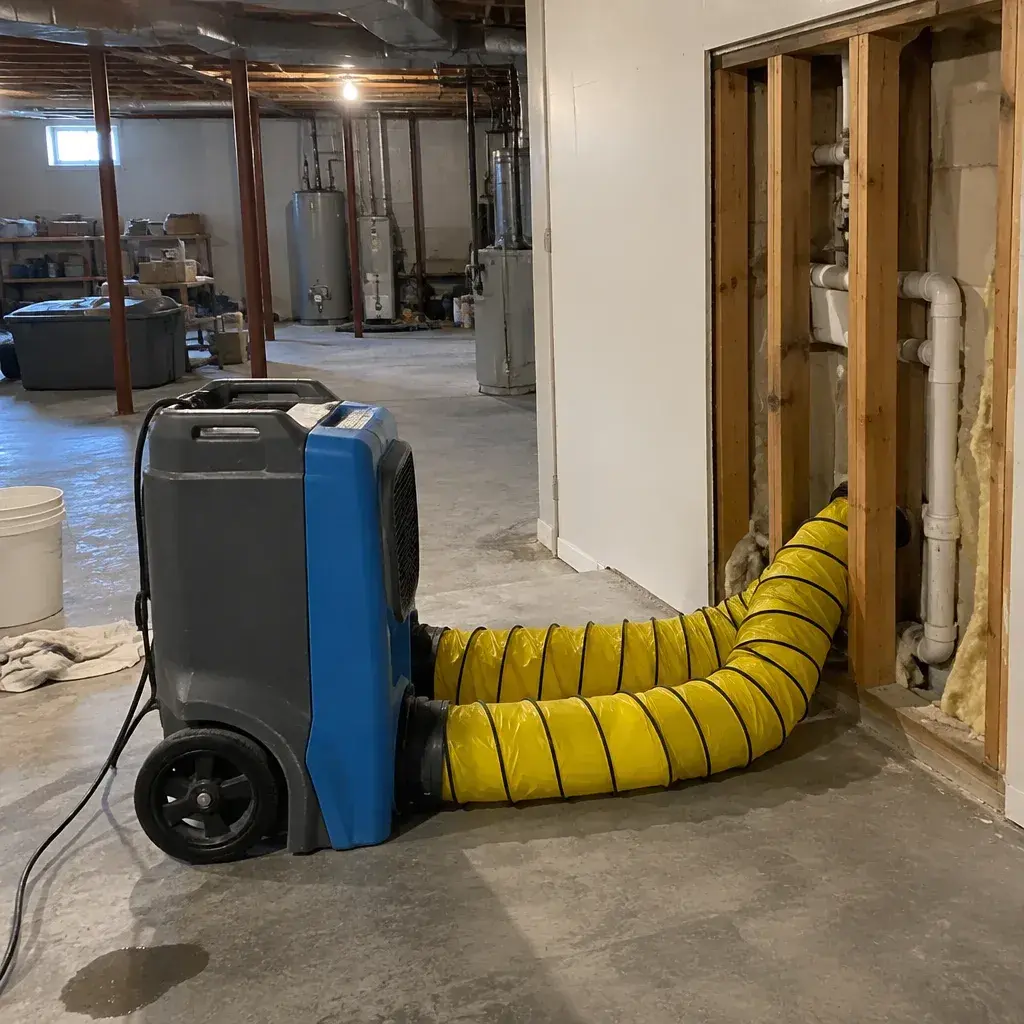
Plan apartment burst pipe repair around unit access, practical shutoffs, and the building routines residents depend on.
A plumber locates the break, identifies the pipe and fitting type, and repairs or replaces the failed section with compatible materials. Building staff can coordinate unit entry and shared-space access, then ask whether a limited shutoff can reduce service interruption. The plumber checks the repair before water service resumes; cleanup and finish restoration may require separate providers.
Emergency burst pipe repair cost depends on how much of the line needs replacement, how easily a plumber can reach it, and how many apartments lose water during the work. A burst is a rupture in a pressurized water pipe, and its effects can extend beyond the unit where the damage becomes visible. In an apartment building, a useful plan ties the repair to the affected line, arranges access, and limits the service interruption. That is the central task of multifamily pipe repair.
A resident may notice a ceiling stain, hear water behind a cabinet, or find that a tap has stopped working. Those clues describe what is happening in a unit, but they do not establish where the pipe split; water can travel through the building before it shows. Ask residents and building staff to report the location and which fixtures are affected. Comparing those observations gives the plumber a clearer starting point for tracing the line without assuming the visible damage marks the break.
The repair plan should connect each reported area to the building’s plumbing layout and the people who can provide entry. A line serving one apartment may follow a different route from a shared branch that passes through a utility space or another unit. Staff can identify affected unit numbers, accessible service areas, and known shutoffs before the plumber arrives. That information helps define where the work may happen and which residents need notice, while the plumber confirms the damaged section on site.
Access delays can extend the time residents are without water, so coordinate entry before repair work begins. Confirm which apartments, utility rooms, or shared areas may need inspection, and arrange for someone with permission to open each space. Give residents a clear access window and explain what area may be visited. If a pipe runs above a finished ceiling or behind a wall, the plumber may need to reach that space to locate the break; advance coordination makes that work easier to schedule.
A shutoff may serve a single apartment or a wider part of the plumbing system, so its reach affects how many residents lose service. Share known valve locations with the plumber and ask which fixtures or units each one controls. Water should be isolated only when the valve is safe to reach and operate; wet areas with electrical hazards are unsafe to enter. Once the line is safely shut off, the plumber can assess the damaged pipe and determine the repair needed.
| Work stage | Entry details | Service effect |
|---|---|---|
| Affected units | Apartment numbers reporting water impact | Identify where entry may be needed |
| Shared spaces | Riser closets, service rooms, or hall ceilings | Coordinate access beyond individual apartments |
| Shutoff map | Known valve locations and labeled controls | Help limit isolation to a practical area |
| Entry contacts | Resident or property contact for each unit | Arrange entry without missed appointments |
| Leak clues | Visible spray, damp surfaces, or suspected pipe route | Help locate damage before opening a surface |
| Pipe details | Known material, size, and connection type | Help identify compatible repair parts |
| Building routine | Resident schedules and planned building activity | Choose a workable time for repair access |
| Service update | Affected areas and fixtures awaiting a status check | Share which apartments have water restored |
The exposed pipe gives the plumber details that guide the repair: its material, diameter, condition, and the way its joints connect. Apartment water systems may use copper, PEX, CPVC, or other pipe types, and replacement pieces must suit the line already installed. A split or damaged portion may be removed and replaced with compatible pipe and fittings. Matching the connection matters because parts designed for a different system may not seal correctly when water service resumes.
A wet ceiling or wall can mark the path water took, rather than the exact place the pipe failed. When the line is concealed, the plumber may need an opening in a wall, ceiling, or floor to inspect it and reach the damaged area. The location and size of that access depend on the pipe route and what is needed for the repair. Discuss the proposed opening with the property contact so entry and resident communication can be coordinated before work proceeds.
Keeping disruption limited depends partly on whether the damaged pipe can be isolated from the rest of the building. If a suitable valve controls only the affected branch, other apartments may retain water while that section is repaired. A broader shutoff can interrupt service to more fixtures or units. The plumber can identify the practical isolation point after tracing the line; building staff can then share the expected service impact with residents and plan around essential building routines.
Before access to the pipe is closed, the plumber should restore water to the repaired line and check the connection for leaks under pressure. That check helps confirm the repair is holding and water is flowing through the affected section. The property contact can ask what was repaired or replaced and whether the line was checked before the opening is closed. If a leak remains, the area should stay accessible while the plumber addresses it.
When the work is complete, record which units or shared areas were affected, what section of pipe was repaired, and which valve was returned to service. Note any access still needed for the plumbing work or follow-on restoration. These details help building staff answer residents’ practical questions and coordinate remaining work in the right spaces. Keep the account focused on the repair and building operations; questions about insurance records belong with the relevant provider or property process.
Residents can plan around a repair when updates tell them which fixtures may be unavailable, whether someone needs access to their apartment, and when the next update is expected. Use direct notices for affected units and a shared channel for building-wide service information. If the work area is in a common room or hallway, explain any temporary access change and how residents can reach the spaces they need. Clear timing reduces avoidable interruptions while the plumber locates and repairs the pipe.
Repair activity can affect building routines even when water service remains available. A plumber may need to move tools through a shared entrance or work near a utility room that staff use. Coordinate a practical route and work window with the property contact, and let residents know if a shared area will be temporarily harder to use. If the inspection reveals a different pipe route than expected, update the access plan so residents know which spaces are involved next.
The plumbing visit is for the damaged water line: locating the break, repairing or replacing the affected section, and checking the result. Water that has reached flooring, walls, or belongings may need extraction and drying by a separate provider, with finish repairs handled as needed. Keeping those tasks distinct helps the property contact coordinate the pipe repair alongside work on affected materials. Ask which area must remain open for plumbing access before arranging any restoration work there.
When contacting the pros we connect you with, gather the affected unit numbers, entry arrangements, and any known shutoff locations. Describe which fixtures or shared areas have lost service and where water has appeared; those observations help the plumber prepare to trace the line. Some locations have pages of their own, while elsewhere the same referral connects you with independent local plumbing professionals. What access and service details can you confirm before making contact? Have those ready to help plan the visit.
A location without its own Burst Pipe Repair page can still use the same referral to ask about service nearby; dedicated place pages cover locations includingAnchorage AK, JBER AK and Chugiak AK. Request separate figures for getting a plumber to the door and assessing the work, so each part of the initial visit is clear.
Stopping the leak can help limit water damage to nearby equipment and materials. Access to concealed piping and matching replacement parts to the installed system also shape the work.Commercial estimates can change when a larger supply line needs fittings suited to its system or when access affects the repair. When calling, share the pipe material, size, and connection type if known, where the line can be reached, and which area lost water. Ask whether locating the break is included.Use pricing guide to compare factors that shape a commercial repair estimate; commercial overview describes the assessment before work starts.
Hotel Plumbing Coordination
Commercial Plumbing
Provide unit identifiers, a contact who can arrange entry, and any access limits for apartments, utility rooms, or shared ceilings. A simple floor plan can help staff explain how units and common spaces relate without assuming the visible water marks the pipe location. Tell the plumber when residents or building operations make entry difficult, so inspection and repair timing can be coordinated.
Possibly. Ask the plumber to determine which apartments and common fixtures the valve serves before it is operated. If the valve can be reached and used safely, isolating a limited branch may preserve service elsewhere; a valve controlling a shared riser could affect several units. Do not enter water near electrical hazards or handle wet electrical equipment.
A plumber may need to open a finished surface when the pipe is hidden and cannot be reached through an existing service opening. Agree on the proposed access point, which unit or shared area it is in, and how the work will affect residents before that step. Once the pipe is exposed, its condition and connection help determine the repair approach.
A leak on a shared supply line can interrupt water to multiple apartments, while a branch line may affect a narrower area. The plumber traces the line and checks what the relevant shutoff controls before defining the repair boundary. Ask which fixtures will be out of service and when water can be restored. Pipe repair does not include water removal or finish restoration.
Gather affected unit numbers, entry arrangements, and known shutoff locations, then share them with an independent local plumbing professional.
Call (800) 215-5682