Conditions That Can Damage Pipe Walls
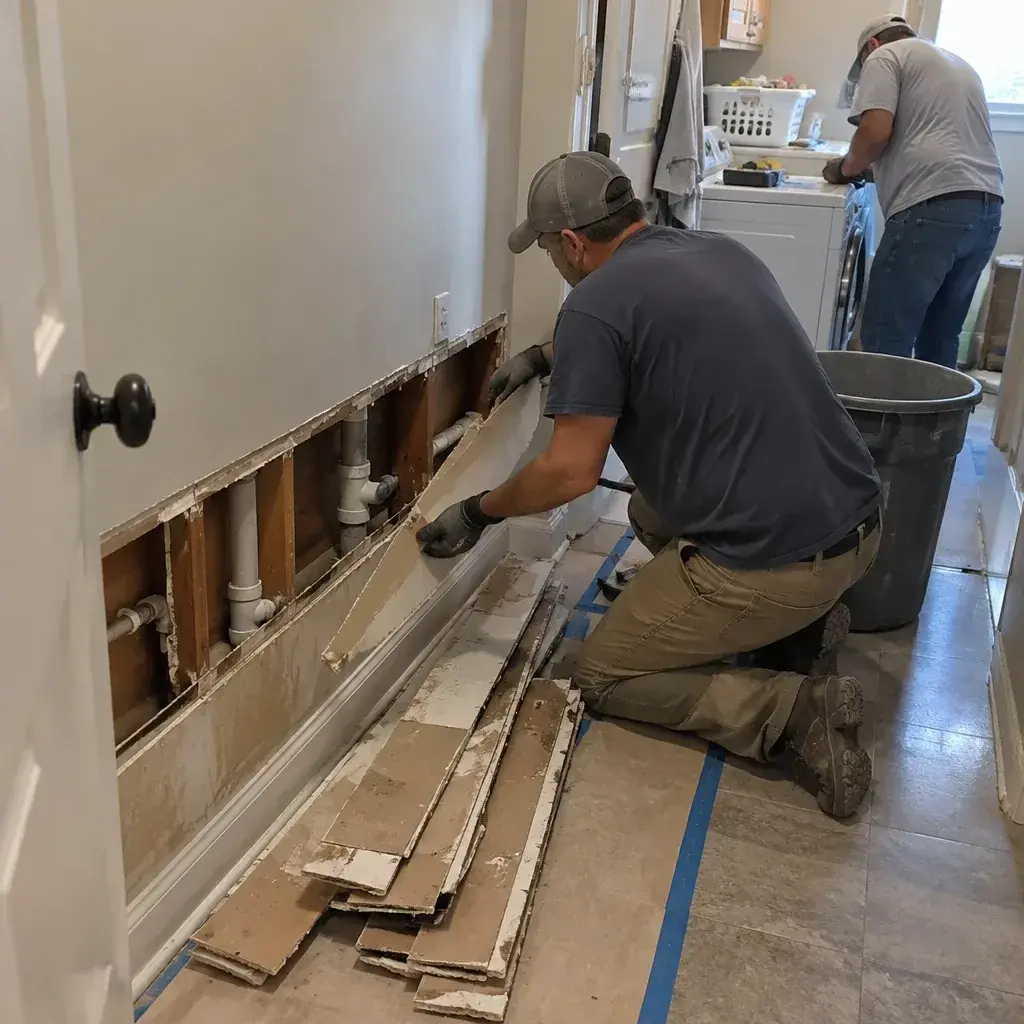
A hidden leak can show up as dampness on finished surfaces, even when the damaged pipe cannot be seen. That construction changes how readily a plumber can inspect the break and make secure joints. Hard-to-reach pipe can require more access and a longer replacement section.
Cold weather can freeze water in exposed or unheated pipe runs, and expanding ice may split rigid PVC. A leak can become clearer as the line thaws and water moves again. Seasonal conditions help explain when a break appears, but inspection is needed to identify the cause and extent.
A page for a named service area provides local information; it does not set a boundary around the wider referral network. A state’s presence on the coverage list does not show which licensed pros can reach a particular request.
Staying Clear of Wet Hazards
- PIPE TYPE
- Printed markings and the line’s intended service help establish whether the installed PVC is suitable for pressurized water.
- CUTOUT
- Pipe diameter and joint style guide which compatible replacement pipe and fittings can connect to the existing run.
- PIPE CONDITION
- A short cutout can work when usable pipe remains beyond the split and there is room to form secure joints.
- CURE PERIOD
- After the required cure period, restoring pressure lets the plumber check the joints for seepage while confirming water flow.
- LEAK CHECK
- After the product’s required cure interval, the plumber restores flow gradually and watches the repaired joint and nearby connections for fresh seepage.
- COVERAGE
- During freezing weather, water in exposed or unheated PVC can freeze and expand against the pipe wall. A split may show itself as temperatures rise and flow resumes; the season can indicate a risk, but does not by itself explain a particular break.
- DAMAGE EXTENT
- an estimated $275–$1,100
What a Repair Check Can Confirm
CPVC water pipe is also rigid plastic and can look like PVC in a short exposed section. Its markings and stated service matter because the materials and joining requirements differ; confirm the pipe type before choosing replacement parts. Read the printed legend on an exposed section and note the joint style; color by itself does not confirm what the pipe is rated to carry. A plumber can check those markings against the line’s use and determine whether the material is suitable for a pressurized water supply.
Locating the Failed Supply Line
The plumber limits flow if a safe shutoff is available, then follows the moisture to the PVC line and opens only the access needed to inspect it. Markings, diameter, intended service, and joint type help confirm whether it is pressure-rated PVC and which repair parts can suit the run.
If sound pipe and working room remain, the plumber cuts out the damaged portion and joins a compatible PVC section with matching fittings. Extensive cracking, brittle pipe, or restricted access can call for a longer replacement. After the specified cure period, the supply is restored and the joints are checked under pressure.
Cost turns on pipe material, access, and how much line is affected. An isolated rupture generally calls for a repair appointment, not continuing cover. Ongoing visits make sense only when the assessment identifies separate weak points or repeat failures; ask what each visit would address before agreeing to a plan.
CURRENT LEAK CORRECTION AND FUTURE PIPELINE REVIEW
| Repair Method |
Repair Suitability |
|---|
| Recent pipe damage, identified near its start | Urgent leak response |
| Water escapes from an earlier pipe fix | Repair completion |
| Several failed sections on one supply route | Section renewed; pressure hold confirmed |
PIPE REPAIRThe licensed pros we connect you with can explain how the repair scope fits their license and what parts of the work they can perform. Requirements depend on the jurisdiction and work scope. Ask which local rules apply, and request an invoice describing the material and repair performed.
Moisture Hidden Behind Finished Surfaces
An active split can send water behind walls or under flooring, where insulation, drywall, wood, and finishes may absorb it. Continued moisture can enlarge the affected area and make access more involved. Burst Pipe Repair addresses the supply line; extraction, drying, and rebuilding may require separate providers.
Keep the Work Area Clear for Inspection
From a dry, safe area, note where water appears and photograph any pipe markings you can see without shifting materials. If a shutoff is safe to reach and use, turn it off; stay away from wet electrical equipment. Do not cut, clamp, or join a pressurized pipe. Ask a plumbing professional to confirm the material and repair method.
Repair Boundaries and Cleanup Needs
A burst PVC supply can make floors, outlets, and appliances unsafe when water spreads beyond the pipe. Keep clear of wet electrical equipment and do not enter a flooded area with an electrical hazard. If a shutoff is safely accessible, closing it can reduce continued flow. The plumbing repair addresses the line; drying and building repairs may need separate providers.
What Sets the Cost of Pipe Repair?
Your total depends on the failed pipe and how much of the repair area needs attention; ask the pros we connect you with to price the plumbing work.The guide amount reflects work on the damaged supply line and can shift with its position, access, and the section needing replacement. A concealed break may require opening a finished surface before the plumber can see the full repair. Water extraction, drying, and rebuilding fall outside $350–$1,300 and call for separate services.The full spread of charges, with common cost drivers, appears in pricing guide.