Forces That Can Split Supply Plumbing
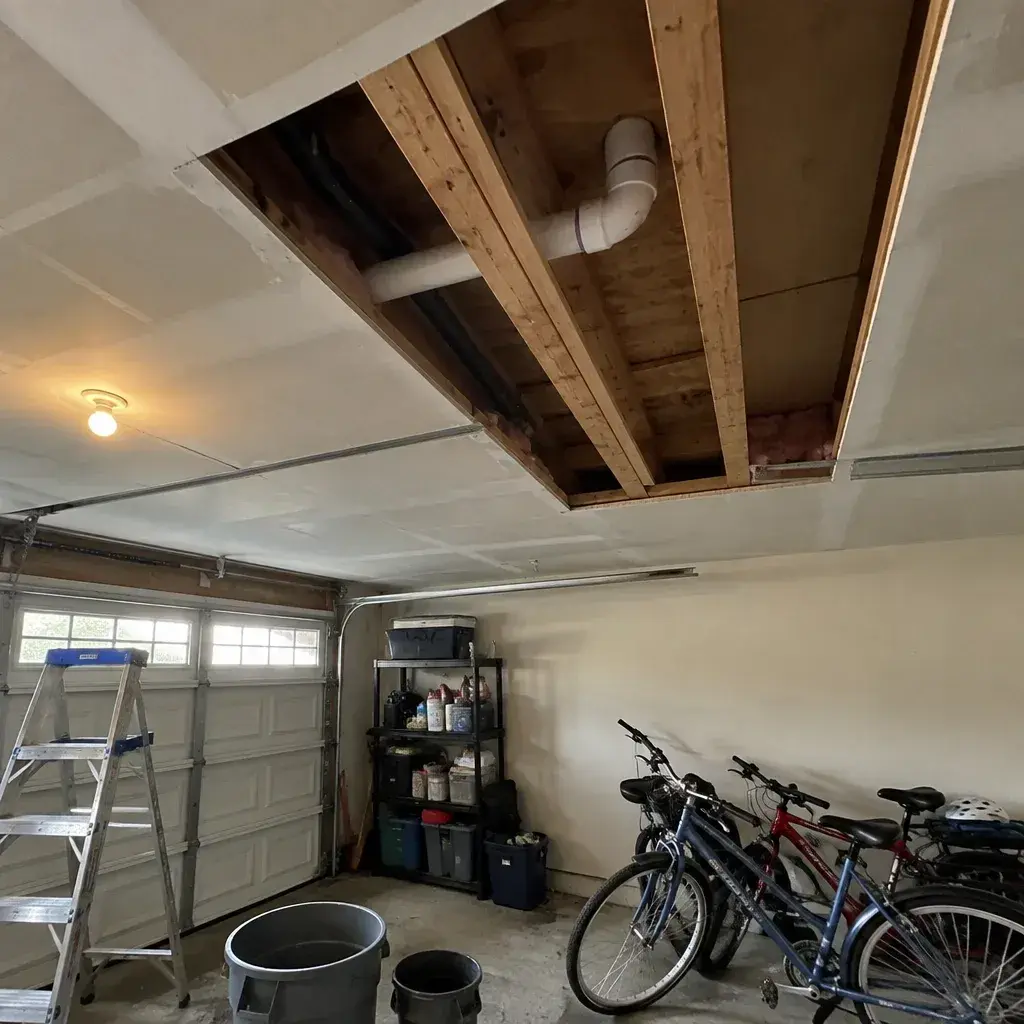
Uponor and Wirsbo water lines appear in homes across the covered service areas. A line routed inside a wall, ceiling, floor, or slab takes a different path to reach than exposed tubing, so the property’s layout affects how the plumber locates and accesses the damage.
Homes in the covered areas vary in layout and renovation history, which can change where a supply line runs and how easily it can be reached. A plumber needs to assess the specific route and pipe condition before setting the boundaries of a section replacement.
The referral network is the connection to the licensed pros who may be able to help with a request. If your location falls outside a page’s named area, you can still use the shared referral; the service location helps determine which pros may reach you.
Finding the Damaged Pipe
- PIPE ID
- Product printing and marks on nearby fittings can help the plumber identify the installed Uponor or Wirsbo system.
- LEAK TRACE
- The replacement pipe and connection method must suit the existing line’s diameter, condition, and joining system.
- ACCESS
- Water from a concealed break can travel along building materials before showing at a ceiling, wall, or floor.
- PARTS PLAN
- When service resumes, the plumber verifies the connection stays dry as fixtures receive water through the repaired line under ordinary use again.
- WATER CHECK
- The plumber restores water after the work and checks the repaired run for seepage, confirming the line is usable before the opened area is closed.
- COVERAGE
- Seasonal temperature shifts can stress water lines where conditions change sharply around exposed or unheated spaces. A leak noticed after weather changes may have started earlier; inspection must locate the failure and distinguish pipe damage from a loose connection.
- WATER IMPACT
- an estimated $275–$1,100
Distinguishing a Pipe Break From Fixture Leaks
A pipe sleeve. Its wider profile can look like a damaged bulge, while water from a leak may travel along the outside of the pipe. The plumber checks whether the sleeve or the tubing itself is the source. Check the product printing along an accessible stretch and look for identifying marks on nearby fittings. A readable Uponor or Wirsbo label helps establish what is installed; color alone cannot reliably identify the system or determine which replacement parts fit.
Scope of the Plumbing Response
The plumber traces the moisture to the supply line, identifies the pipe and connection system, and checks how far the damage extends. If the run is concealed, access may require opening the affected finish. The findings establish where the repair can begin and what compatible components are needed.
The plumber first identifies the affected run and checks the pipe and connection condition around the leak. Once the water is isolated and access is available, the damaged length can be replaced with compatible pipe and fittings. The plumber then restores service and checks the connection while the line is pressurized.
A leak check can confirm whether the repair is holding once access to the break is clear. $350–$1,300 Once access is clear, a single visit may cover the repair and leak check. If opening the area reveals more damage, ask what needs another visit and why.
CONTAINING THIS FAILURE COMPARED WITH PLANNED CARE
| Cost Drivers |
When Replacement Fits |
|---|
| A fresh leak, caught before it spreads | Damage-based estimate |
| Previously mended pipe starts leaking again | Pressure leak test |
| Breaks separated along the same pipe run | Water line mended; outlet flow observed |
PLUMBING WORKRules for plumbing work and permits depend on the job address; no specific state requirement is established here. Ask the pros we connect you with to describe the repair and parts on the invoice, and direct permit questions to the local building department.
Water Damage Across Walls and Floors
A continuing leak can soak insulation, flooring, cabinetry, or framing before water appears in the room. As moisture spreads, more material may need to be opened for access and later dried or repaired. Burst Pipe Repair fixes the supply line; cleanup and rebuilding are separate work.
Separate Pipe Repair From Water Recovery
From a dry, safe location, read any legible product name on exposed pipe and note where water is appearing. If the shutoff is safely reachable and works, use it to limit flow. Leave pipe cutting and fitting work to a plumber; do not disturb a wet or concealed line to investigate.
Pressure Checks Before Water Returns
A leaking supply pipe can damage finishes and create a shock risk if water reaches electrical equipment. Keep clear of wet rooms where wiring or outlets may be involved. If you can safely operate the shutoff, limiting water flow helps contain the leak. Plumbing repair covers the line itself; cleanup and rebuilding are separate work.
What Sets the Cost of Pipe Repair?
Your total depends on the failed pipe and how much of the repair area needs attention; ask the pros we connect you with to price the plumbing work.The guide amount reflects work on the damaged supply line and can shift with its position, access, and the section needing replacement. A concealed break may require opening a finished surface before the plumber can see the full repair. Water extraction, drying, and rebuilding fall outside $350–$1,300 and call for separate services.See pricing guide for the full range and the details that can shift a quote.